
Stainless Steel vs Wooden Cutting Boards: Which Is Better?
Compare stainless steel and wooden cutting boards. Learn the pros and cons of each material. Discover why the Velgrina 3-in-1 board offers the best of both.
The Great Cutting Board Debate
Home cooks and professional chefs have debated the merits of stainless steel versus wooden cutting boards for decades. Both materials have distinct advantages, and the best choice depends on your cooking style, hygiene priorities, and aesthetic preferences.
Stainless Steel Cutting Boards: Pros and Cons
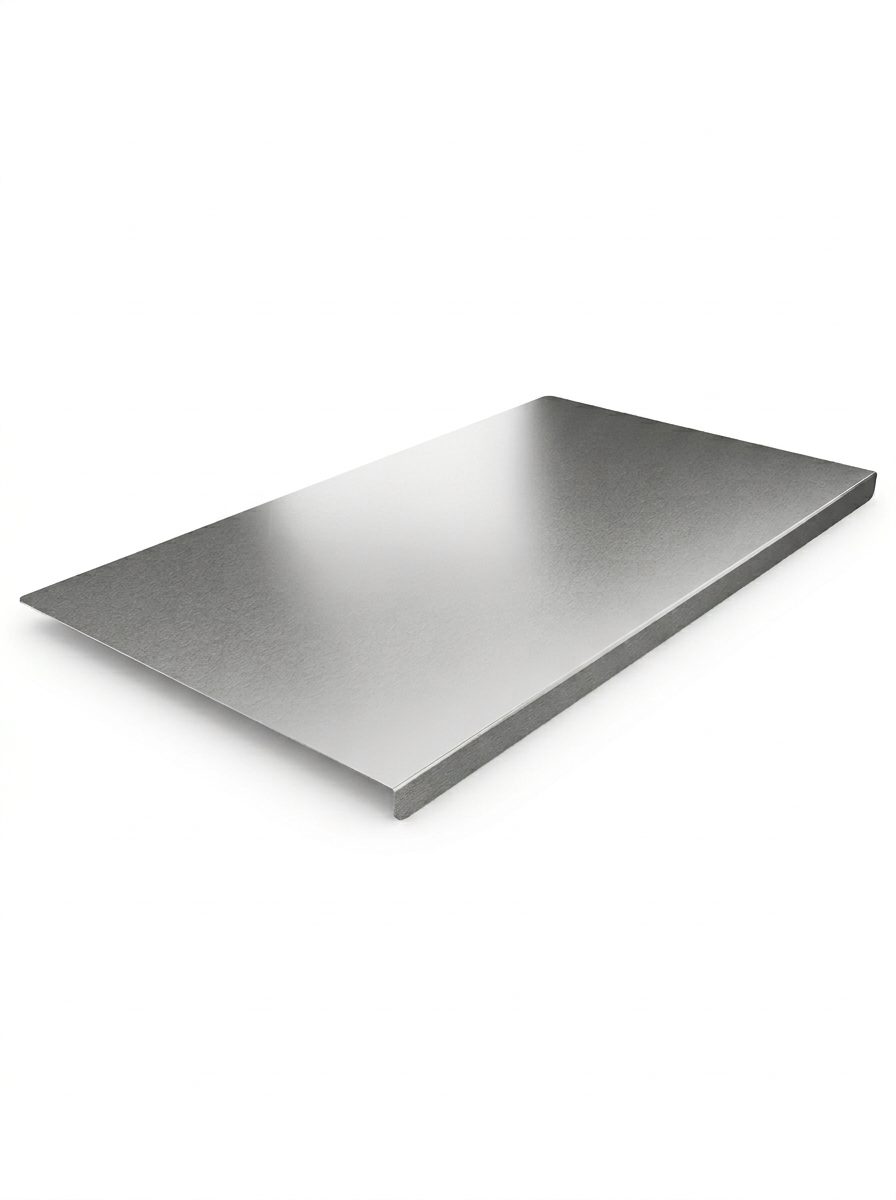
Pros: Stainless steel is completely non-porous, making it the most hygienic option available. Bacteria, odors, and stains cannot penetrate the surface. SS304 food-grade steel, like that used in Velgrina Stainless Steel Cutting Boards, is also rust-resistant and dishwasher safe. It never warps, cracks, or absorbs moisture.
Cons: Steel can be harder on knife edges compared to wood. It also produces more noise during chopping. Some cooks find the surface too slippery for certain tasks.
Wooden Cutting Boards: Pros and Cons
Pros: Wood is naturally gentle on knives and provides a comfortable cutting surface. Hardwoods like iroko have natural antibacterial properties. The Velgrina Iroko Board is particularly durable because iroko wood is naturally moisture-resistant and does not splinter.
Cons: Wood requires more maintenance — periodic oiling, hand washing only, and proper drying. It can develop cuts and grooves over time that may harbor bacteria if not maintained.
The Best of Both Worlds
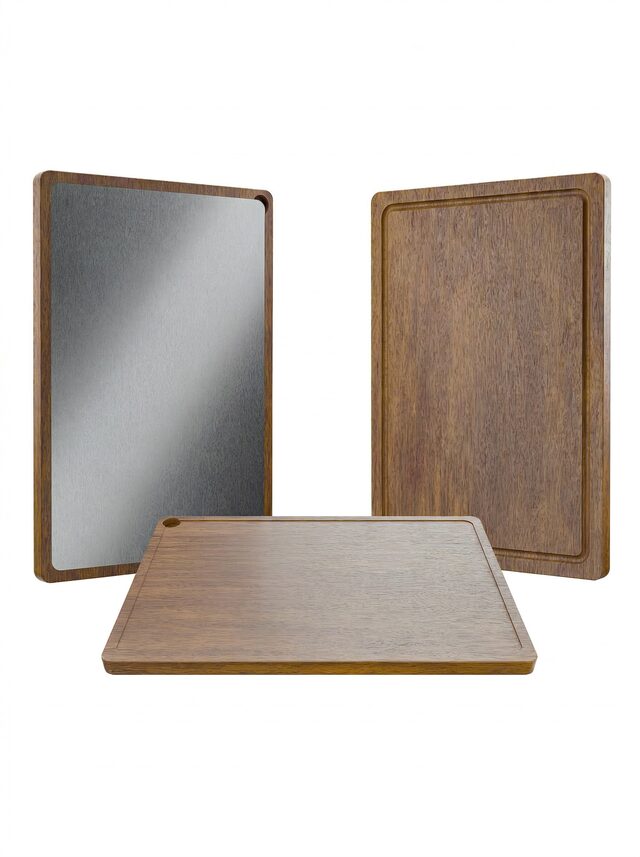
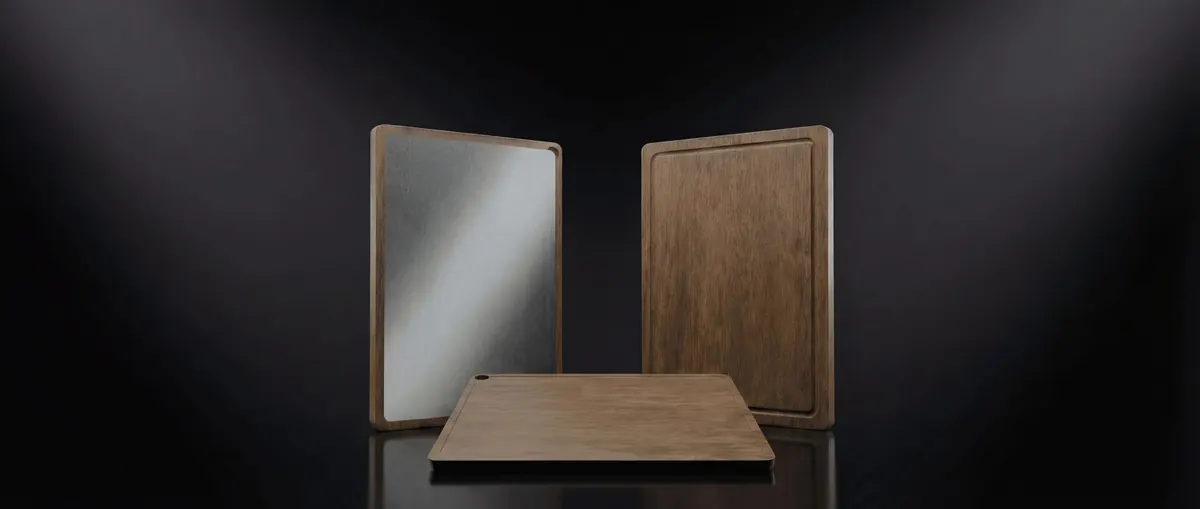
The Velgrina 3-in-1 board solves this debate entirely by combining a removable stainless steel panel with an iroko wood base. Use steel for raw meat and fish; flip to wood for bread, cheese, and vegetables. One board, two surfaces, zero compromises.
Explore the complete Cutting Board Collection to find your ideal size and material.