
How Often Should You Replace Kitchen Accessories?
Learn when to replace cutting boards, colanders, strainers, drain components, and drying racks. Lifespan guide for common kitchen accessories.
The Replacement Timeline
Every kitchen accessory has a lifespan. Using worn-out tools affects food safety, hygiene, and cooking enjoyment. Here is when to replace common kitchen items.
Cutting Boards
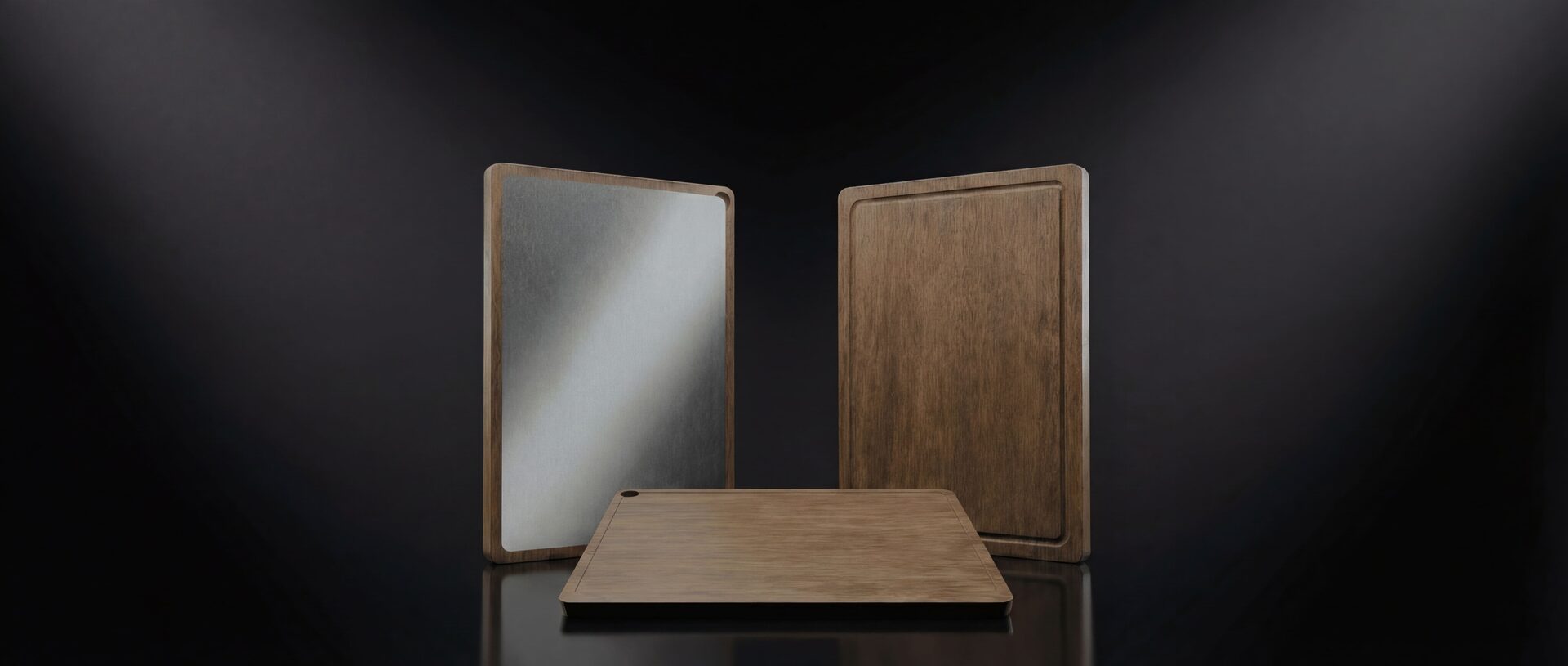
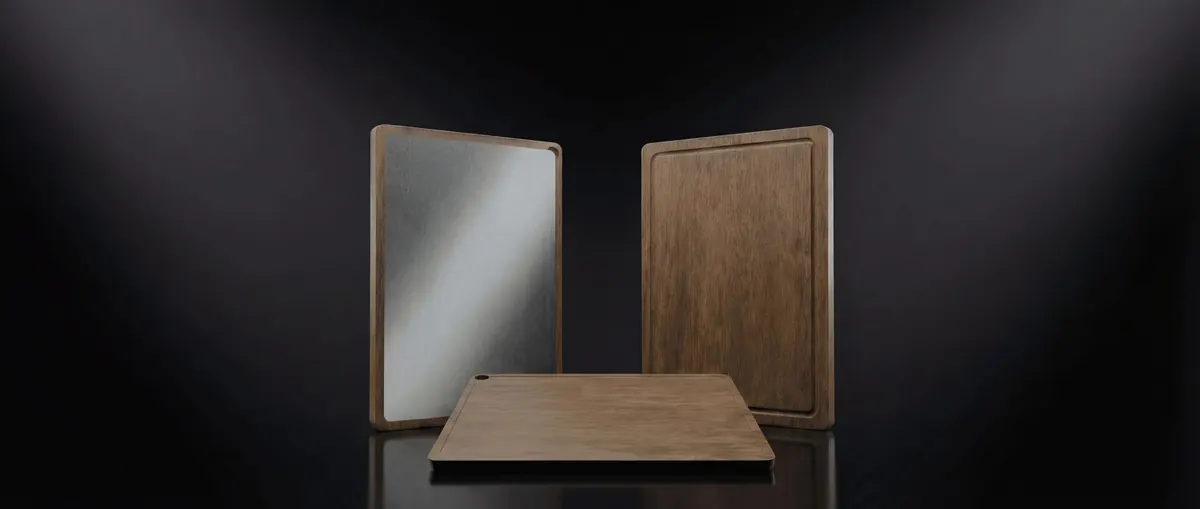
Plastic: Every 1-2 years or when deep grooves appear. Wood: 3-5 years with proper care. Stainless steel: 10+ years — Velgrina SS304 boards can last a lifetime with minimal care.
Colanders and Strainers
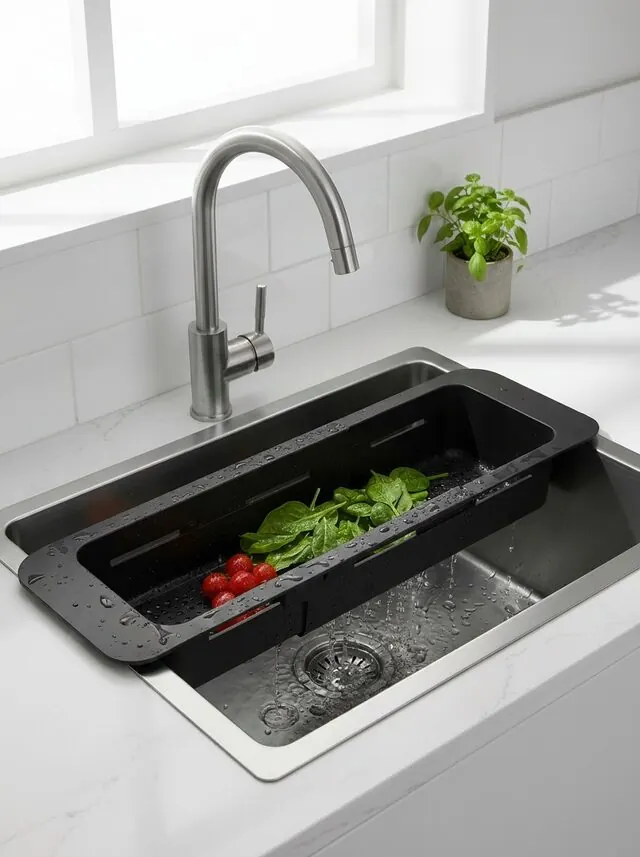
Replace plastic colanders every 2-3 years if they show cracks, discoloration, or persistent odors. BPA-free PP models like Velgrina colanders are more durable and typically last 4-5 years.
Sink Drain Components
The rubber gaskets in drain assemblies degrade over 2-3 years, leading to slow leaks. The Velgrina 3-in-1 drain uses high-quality rubber components that last longer, but inspect annually.
Drying Mats and Racks
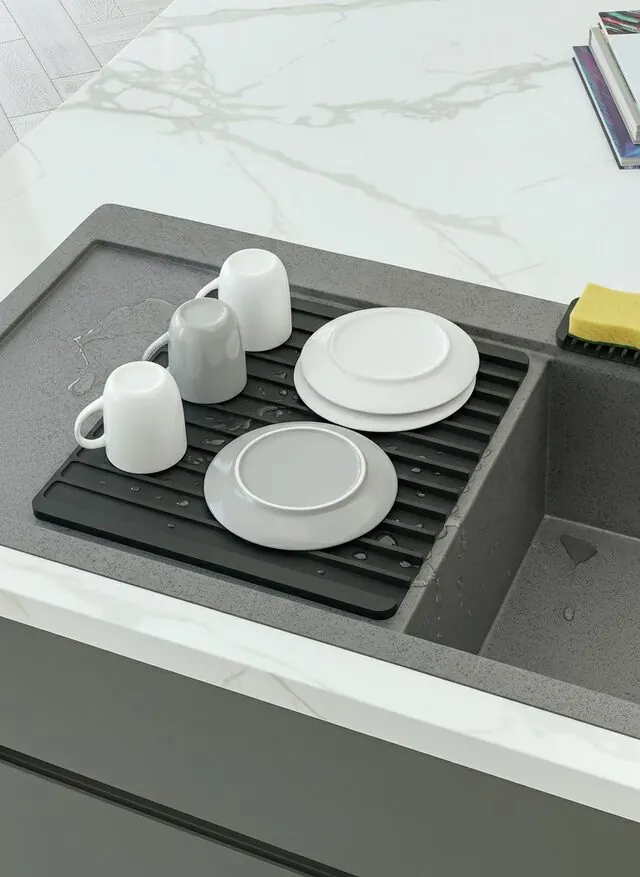
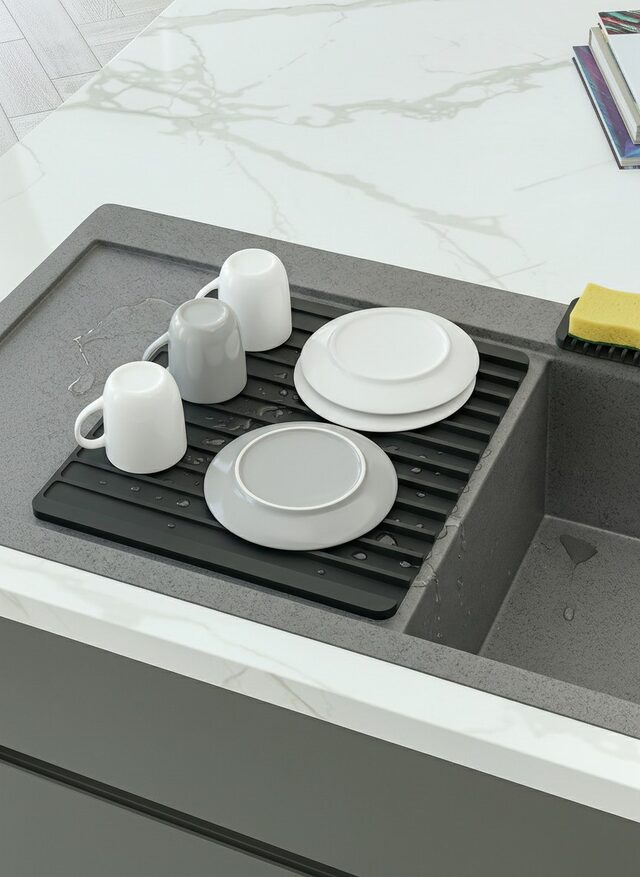
Wire drying racks rust within 6-12 months. Silicone mats like the Velgrina drying mat can last 3-5 years without degradation.
Signs It Is Time to Replace
- Visible cracks or deep cuts in the surface
- Persistent odors that cleaning cannot remove
- Rust or corrosion spots
- Loose handles or fittings
- Discoloration that affects hygiene confidence